
My CladdingKing Cart
There are no more items in your cart

Bathrooms are some of the most challenging spaces in construction and renovation. High humidity, constant exposure to water, and fluctuating temperatures can wreak havoc on traditional wall finishes. For tradespeople, selecting the right materials and installation techniques is critical to ensure longevity and prevent moisture-related issues.
In this guide, we take a technical deep dive into bathroom cladding, exploring waterproof panels for bathroom walls and how to get the installation right the first time.
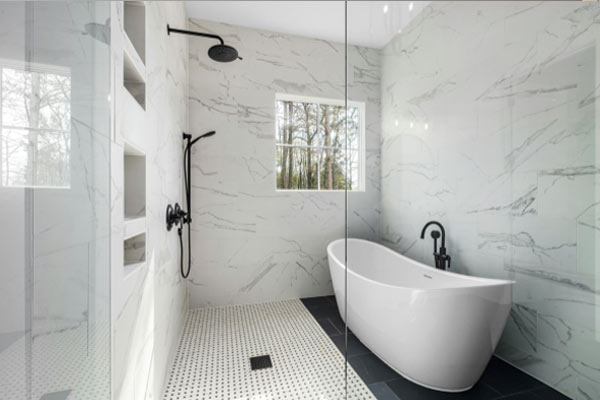
Why Moisture Management Matters in Bathrooms
Moisture is the primary enemy of bathroom walls. Even small amounts of water infiltration can lead to:
- Mould and mildew growth, compromising indoor air quality.
- Delamination or warping of wall coverings.
- Structural damage over time, particularly on wooden substrates.
Tradespeople know that proper material selection and installation are key to avoiding costly callbacks. That’s where waterproof wall panels for bathroom applications come in. Unlike traditional tiling, these panels provide a seamless barrier against water, reducing maintenance and extending the life of the installation.
Choosing the Right Waterproof Panels for Bathroom Walls
Not all panels are created equal. Here’s what to consider:
1. Material Composition
High-quality bathroom cladding is typically made from PVC, acrylic, or composite materials. Look for panels that are:
- Fully waterproof, not just water-resistant.
- Non-porous, preventing water absorption and bacterial growth.
- Impact-resistant, to withstand the rigours of high-traffic bathrooms.
2. Surface Finish and Style
Panels come in a variety of finishes, including:
- Marble effect for luxury aesthetics.
- Tile effect for a traditional or geometric look.
- Textured or acoustic panels for sound absorption in multi-use spaces.
These options allow tradespeople to provide clients with both functional and visually appealing solutions without compromising waterproofing.
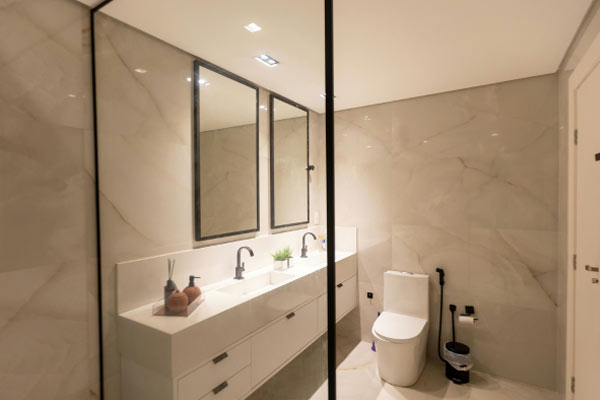
3. Panel Size and Coverage
Larger panels cover more surface area with fewer joints, reducing the number of potential leakage points. When specifying panels, aim for:
- Full-height panels where possible.
- Minimal seams in high-water zones, such as shower enclosures or behind sinks.
Installation Best Practices for High-Humidity Environments
Even the best waterproof wall panels for bathroom use can fail without proper installation. Follow these professional guidelines:
1. Surface Preparation
- Ensure walls are smooth, clean, and dry.
- Repair any existing water damage before panel installation.
- Apply a suitable primer or moisture barrier if recommended by the manufacturer.
2. Panel Layout and Joint Management
- Start from a level reference line at the base to avoid cumulative errors.
- Use sealed joints or silicone in corners, around fixtures, and at floor and wall interfaces.
- Leave appropriate expansion gaps as specified by the panel manufacturer.
3. Fixing and Adhesives
- Use high-quality waterproof adhesives in wet zones.
- Mechanically fix panels where recommended, especially in areas of high stress.
- Follow curing times strictly to ensure panels bond fully before exposure to moisture.
4. Maintenance Considerations
- Advise clients to regularly inspect seals and grout-free joints.
- Panels should be easy to wipe clean; avoid abrasive cleaners that could compromise the waterproof layer.
Advantages of Using Bathroom Cladding Over Traditional Tiles
- Seamless waterproofing with fewer joints and less risk of leaks.
- Faster installation due to full-wall panel coverage.
- Low maintenance with no grout to clean or replace.
- Versatile design options, including marble effect, tile effect, and acoustic panels.
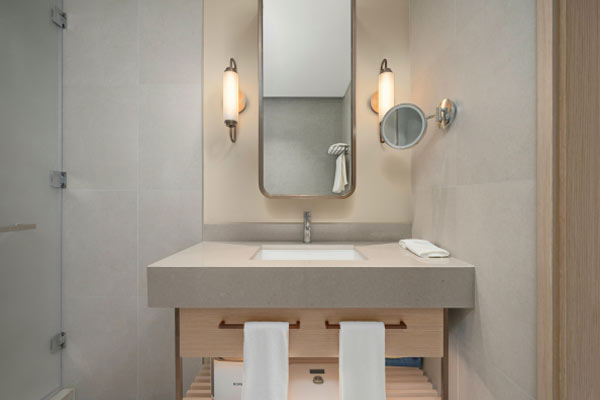
Bathroom Cladding Solutions with Cladding King
For tradespeople working on high-humidity bathrooms, waterproof panels for bathroom walls offer a superior solution to traditional tiling. When paired with correct installation techniques, bathroom cladding provides a long-lasting, low-maintenance, and aesthetically flexible solution that meets client expectations while minimising moisture-related risks.
By mastering moisture management through material selection, panel specification, and professional installation, you can deliver durable, high-quality bathroom projects that stand the test of time.
Comments (0)